
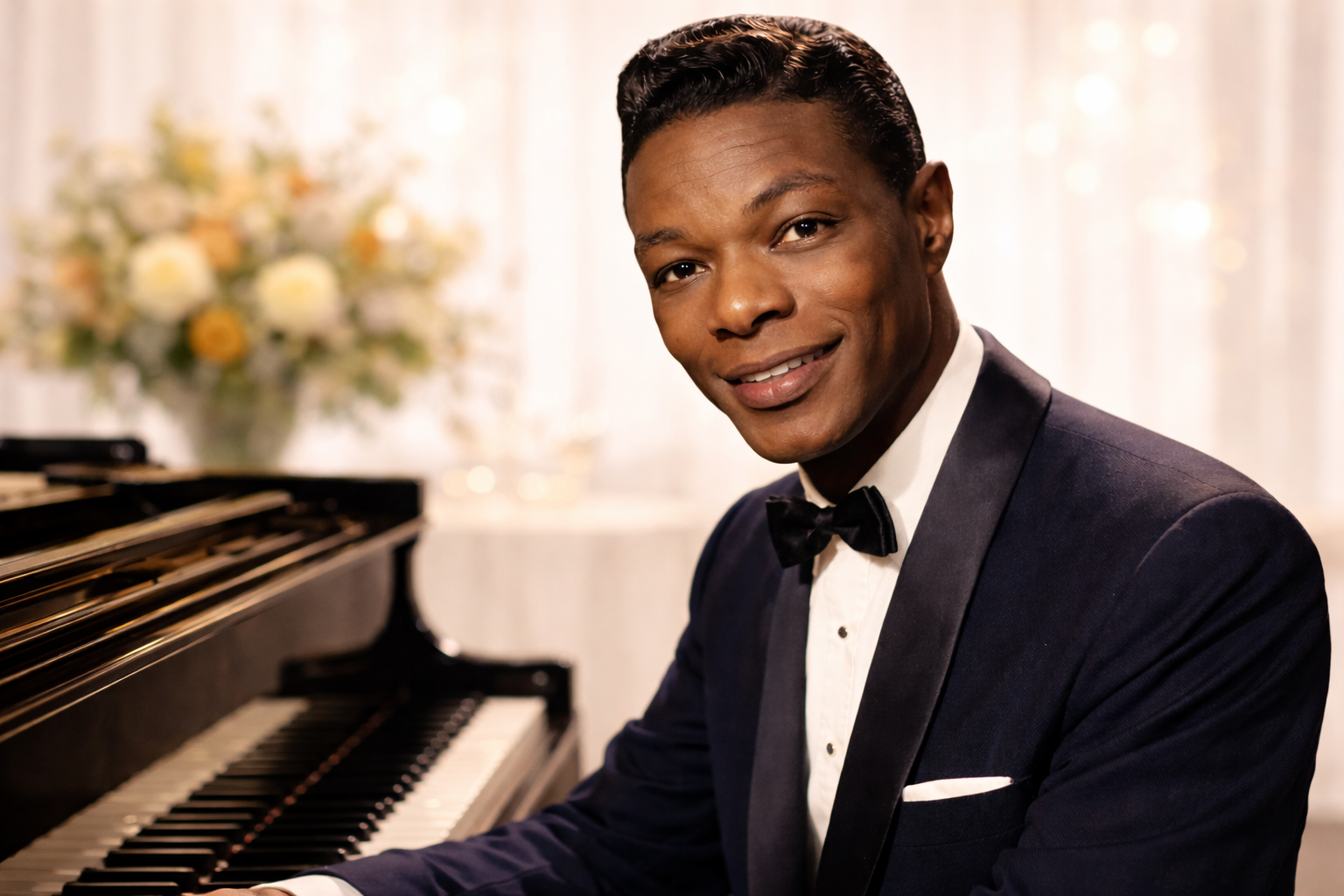
Some singers are remembered for power. Others are remembered for innovation. Nat King Cole is remembered for something rarer: grace. His voice did not demand attention in a dramatic way, yet it held listeners almost immediately. It was warm, precise, and calm without ever sounding distant. That quality helped make him one of the most beloved figures in classic American music.
For older listeners in the United States, Nat King Cole still represents a kind of musical elegance that feels increasingly rare. His recordings do not rush. They do not rely on spectacle. Instead, they create intimacy through tone, phrasing, and restraint. That is why his music has lasted far beyond the era that first made him famous. Classic American music icons.
He made sophistication feel natural instead of distant
One reason Nat King Cole still stands apart is that he never sounded as though he was performing sophistication for its own sake. His style was polished, but never stiff. He brought refinement into popular music without making it feel formal or exclusive.
That balance mattered. Many singers can sound smooth, but smoothness alone often becomes forgettable. Cole had a way of sounding both polished and deeply human at the same time. He could sing a romantic ballad with perfect control, yet still make it feel personal. That is one of the reasons his recordings continue to appeal to older audiences who value clarity and emotional honesty over excess.
His voice also carried a kind of reassurance. Even when he sang about longing or regret, he seemed to understand the emotion rather than be consumed by it. That gave his work a maturity that still connects with listeners decades later.
Before he became a legendary singer, he was already a remarkable musician
Many casual listeners know Nat King Cole mainly as a vocalist, but his artistry began well before his greatest hits as a singer. He first built his reputation as an accomplished jazz pianist, and that background helps explain why his recordings feel so musically balanced.
Because he understood structure, timing, and mood so well, he never treated a song as just a vehicle for vocals. He seemed to know how every phrase should sit inside an arrangement. That musical intelligence gave his singing unusual control. Nothing felt accidental. Nothing felt forced.
This is part of what makes him such a rewarding artist for older listeners. The songs feel carefully shaped. They are easy to listen to, but they are never careless. Nat King Cole made popular music sound effortless precisely because so much craft stood behind it.
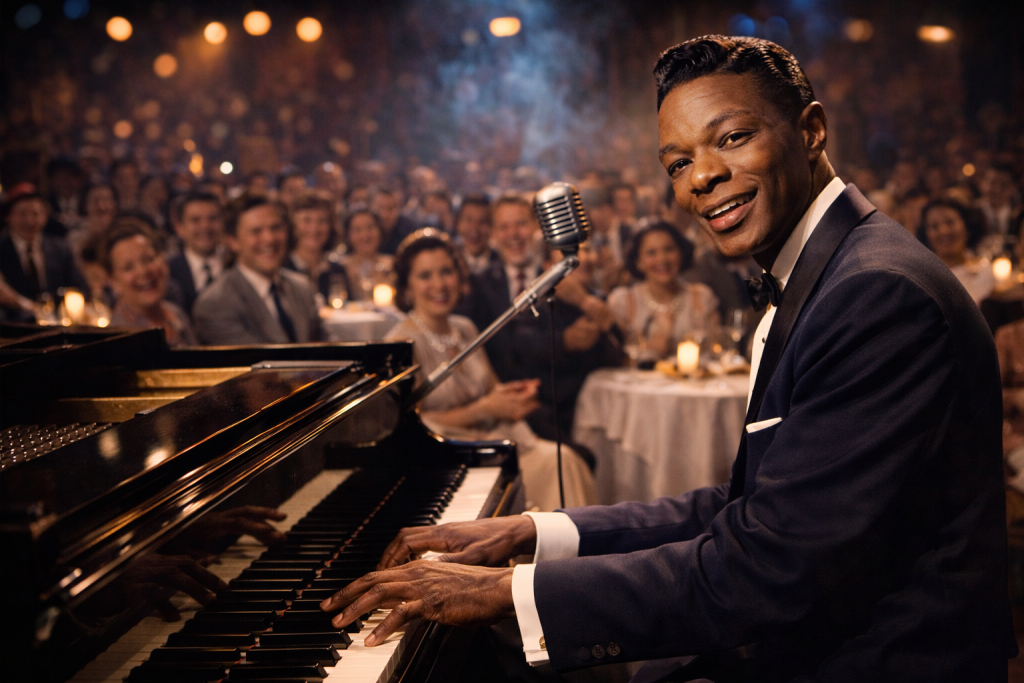
His voice turned romantic songs into lasting memories
Nat King Cole had one of those voices that seemed made for late-night listening. It was not only beautiful. It was comforting. He could sing romantic material without sounding sentimental, which is much harder than it appears. That skill is one reason songs like “Unforgettable,” “Mona Lisa,” and “When I Fall in Love” remain so deeply tied to memory for many American listeners.
What made these songs endure was not just melody. It was the way Cole delivered them. He never overreached for emotion. He trusted the line, trusted the lyric, and trusted the listener. As a result, the songs still feel intimate instead of dated.
That connection to memory is especially important with older audiences. For many people, Nat King Cole is not just part of music history. He is part of personal history. His songs are tied to first dances, quiet evenings, family record collections, and the kind of listening experience that once centered the home.
“Unforgettable” became larger than a hit
Some songs succeed in their own time. Others continue to define an artist long after that moment has passed. For Nat King Cole, “Unforgettable” became more than a hit record. It became part of his public identity. The title itself now feels inseparable from the kind of presence he brought to music.
The song worked so well because it matched his strengths perfectly. It allowed him to be tender without fragility, elegant without stiffness, and emotionally present without theatricality. That is a difficult balance, and very few singers have ever managed it as naturally as he did.
One of the most enduring love songs of the twentieth century.
He crossed musical and cultural boundaries with quiet confidence
Nat King Cole’s appeal was unusually broad. He could speak to pop audiences, jazz listeners, and those who simply loved a great voice. That range helped make him one of the defining crossover artists of his time.
But his impact went beyond music charts. He also occupied an important place in American cultural history. He carried himself with composure and dignity in an era that did not offer equal treatment or equal recognition to Black performers. That part of his legacy matters greatly, even when it is not the first thing casual listeners mention.
What makes his influence especially powerful is that he never needed loud gestures to make a lasting impression. His poise was part of his strength. His success challenged assumptions simply by existing at such a high level, in public, with such consistency and class.
He made television and popular culture feel more refined
Nat King Cole belonged to a generation of artists who helped shape not just recorded music, but also the broader image of entertainment in America. He brought a sense of polish to public performance that translated beautifully to television and live appearances.
This matters because many older American listeners did not experience him only through records. They experienced him through the wider culture of mid-century entertainment. He was part of an era when singers could become trusted figures in the national imagination, not just chart names.
That cultural presence strengthened his legacy. Nat King Cole was not simply someone people listened to. He was someone people welcomed into their homes, their memories, and their sense of what musical excellence looked like.
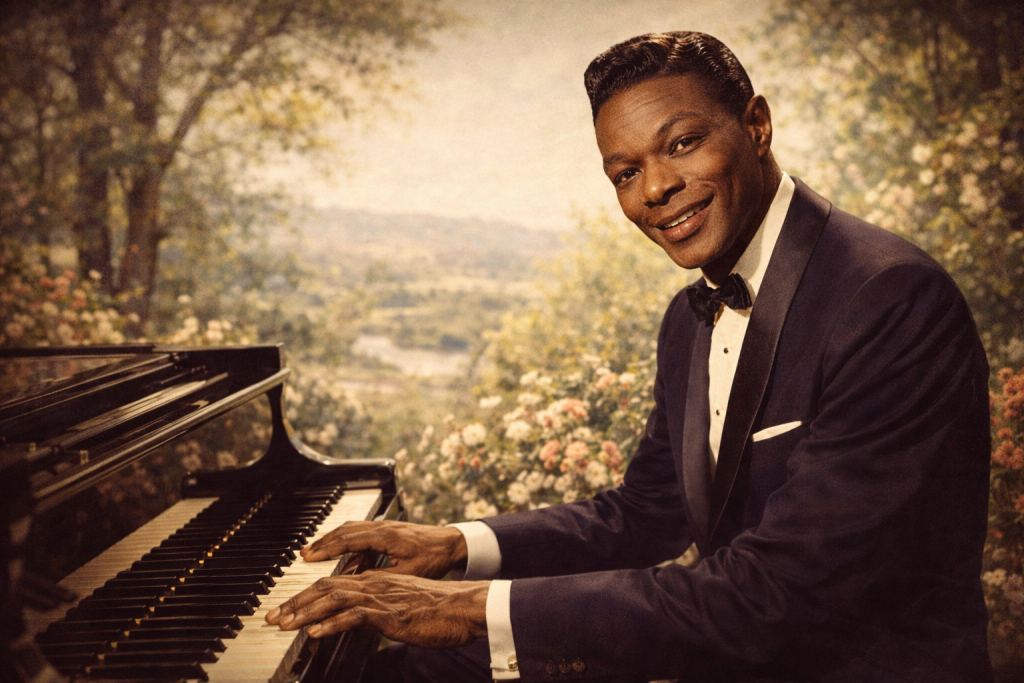
Why older American listeners still return to Nat King Cole
There are many reasons his music continues to resonate, but one of the most important is emotional steadiness. Nat King Cole never sounds chaotic. Even when his songs deal with longing or heartbreak, they carry a sense of order and grace. That can be deeply moving for listeners who value maturity in performance.
His records also reflect a time when melody and interpretation mattered enormously. For older audiences, that remains a powerful part of the appeal. The songs are memorable, the arrangements are tasteful, and the vocals invite real listening rather than background consumption.
He also represents a kind of cultural memory that still matters in America: a world of supper clubs, evening radio, family record players, and voices that filled a room without shouting. Listening to Nat King Cole is often about more than hearing a song. It is about returning to a mood. Timeless vocal elegance.
Nat King Cole remains essential because he never tried too hard
One of the most striking things about Nat King Cole is how effortless he still sounds. But that ease was never emptiness. It was discipline, musical understanding, and emotional intelligence working together so smoothly that the listener hardly notices the craft underneath.
That is part of what makes him feel timeless. He did not chase trends. He did not rely on vocal tricks. He did not need to overpower a song in order to own it. Instead, he entered the song quietly and made it impossible to imagine anyone else singing it better.
For a Music Legends category, that is exactly the kind of figure worth highlighting. Nat King Cole did not become immortal through noise or reinvention. He became immortal through consistency, elegance, and the rare ability to make beauty sound completely natural.
A legend whose music still knows how to slow the world down
Nat King Cole endures because his work still offers something listeners crave: calm, warmth, and emotional clarity. His recordings invite people to slow down and actually listen. That quality has only become more valuable with time.
For older audiences in particular, his songs remain deeply meaningful because they are tied to memory, romance, and an era when great voices were enough to carry a lasting career. But his appeal is not limited to nostalgia. He still sounds convincing. He still sounds intimate. He still sounds true.
That is why Nat King Cole remains more than a beloved singer from another era. He remains one of the clearest examples of how elegance itself can become a musical legacy.