
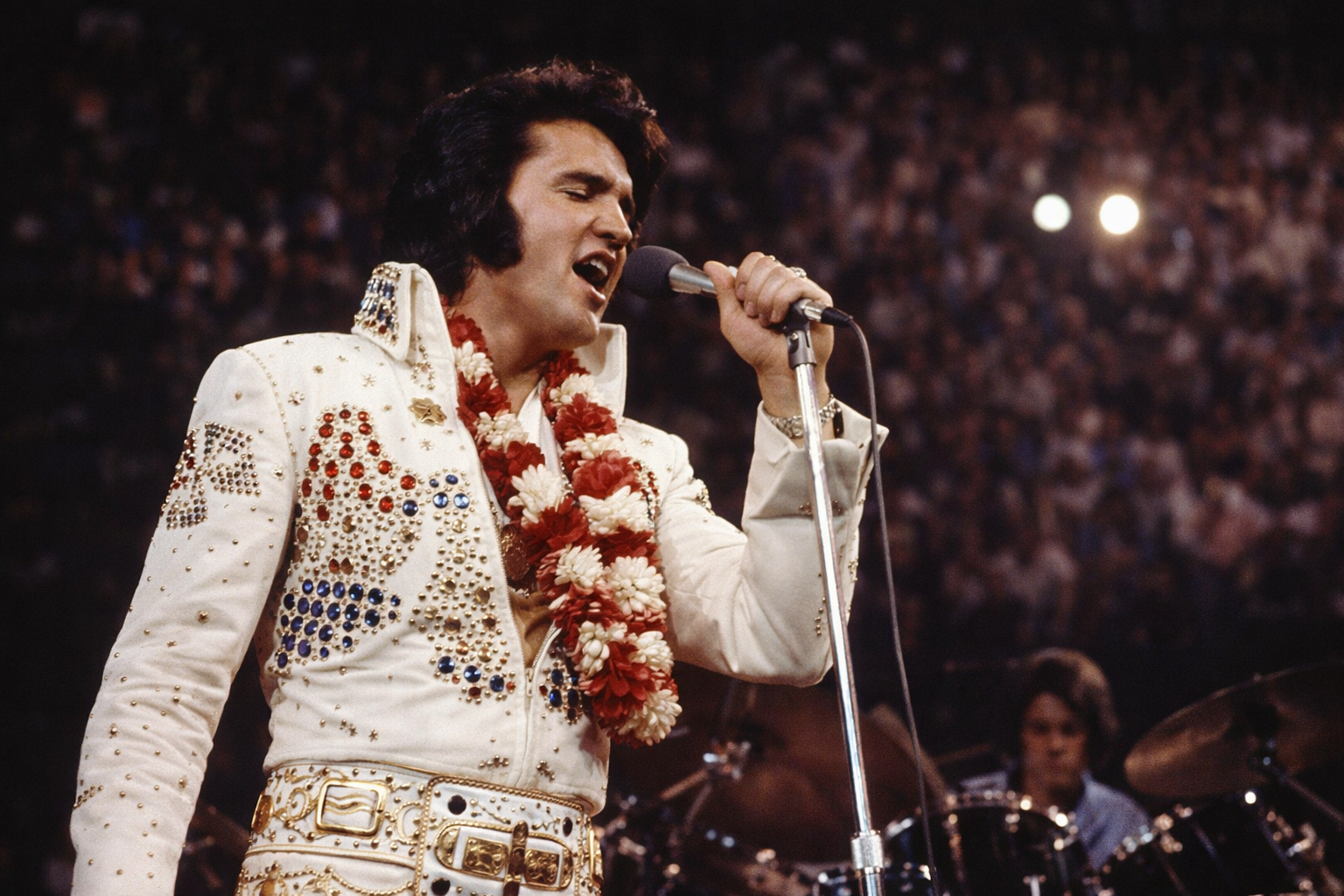
On June 26, 1977, Elvis Presley stepped onto the stage at Market Square Arena in Indianapolis for what would become the final concert of his life. At the time, few people in the audience realized they were witnessing the closing chapter of one of the most legendary careers in music history.
Elvis Presley had already changed the world of music forever. Known as the “King of Rock and Roll,” his voice, charisma, and unique style had inspired millions of fans across generations. Yet by the summer of 1977, Elvis was facing personal struggles that few people truly understood.
A Career That Changed Music Forever
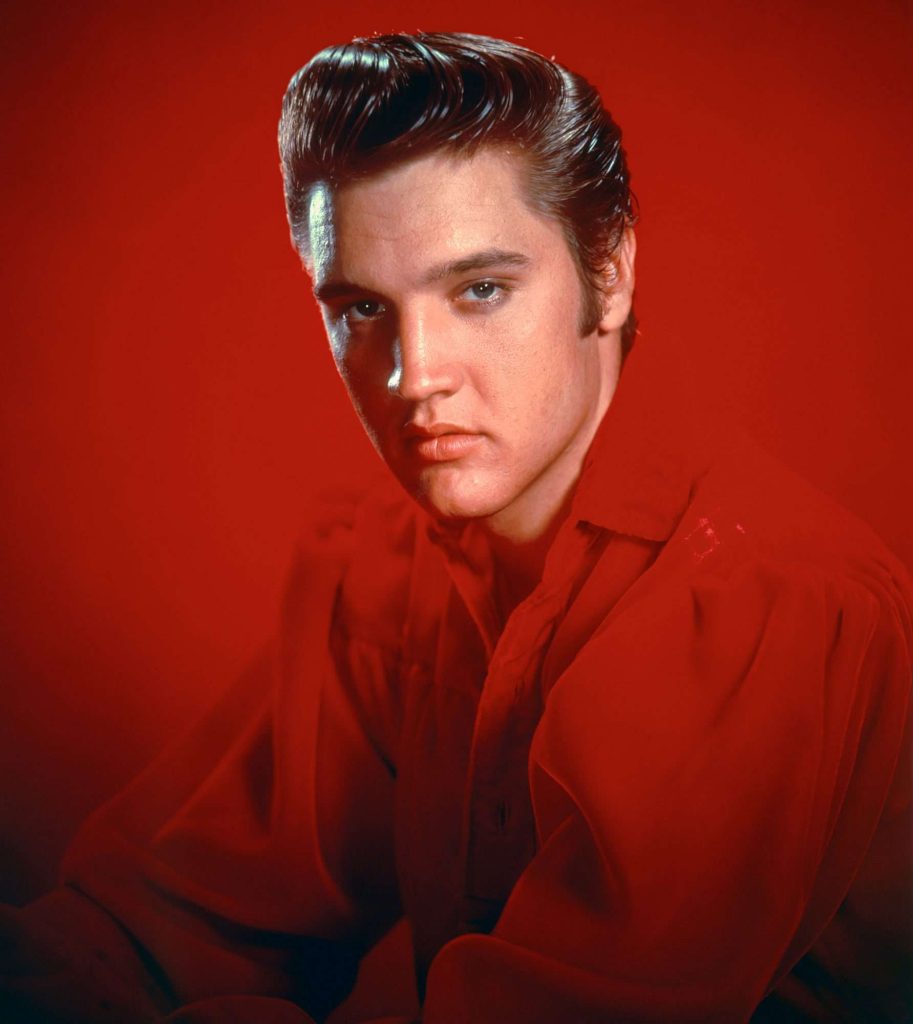
Elvis Presley rose to fame in the 1950s when rock and roll was still in its infancy. Songs like Heartbreak Hotel, Hound Dog, and Jailhouse Rock quickly made him one of the most recognizable entertainers in the world.
His performances were electrifying. Fans screamed, danced, and rushed toward the stage whenever he appeared. Elvis wasn’t just a singer — he was a cultural phenomenon.
By the 1960s and 1970s, Elvis had become a global superstar. His Las Vegas shows were legendary, and his concerts regularly sold out arenas across the United States.
But fame came with a price.
The Difficult Years Before His Final Tour
In the years leading up to his final concert, Elvis was dealing with several personal challenges. The pressure of constant touring, health issues, and the demands of fame began to take their toll.
Despite these difficulties, Elvis remained deeply committed to his fans. He continued performing across the country, determined to bring joy to the people who had supported him throughout his career.
Many fans noticed changes in his appearance and energy on stage, but his voice still carried the emotional power that had made him famous.
The Night of June 26, 1977
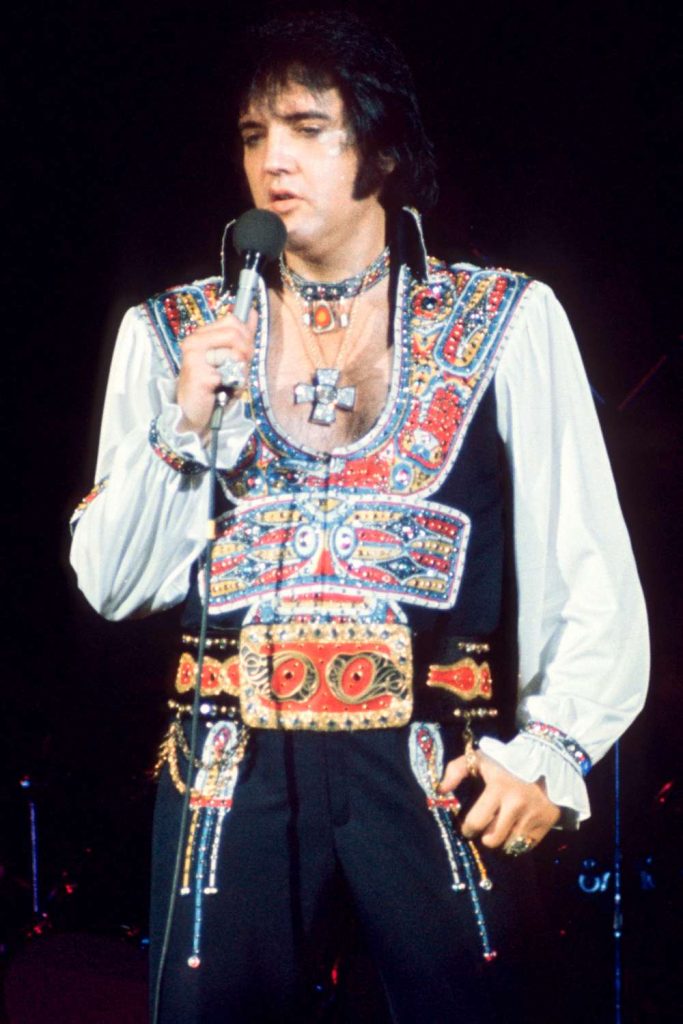
When Elvis walked onto the stage that night in Indianapolis, the crowd erupted in excitement. The arena was filled with loyal fans who had followed his music for decades.
The concert included many of his classic songs. Elvis performed favorites like Love Me, Hurt, and Can’t Help Falling in Love. His voice, though different from the early years, still carried a deep emotional quality.
One of the most memorable moments came when Elvis performed Unchained Melody while sitting at the piano.
The performance was raw, emotional, and powerful. Many fans later said it felt like a deeply personal moment.
No one knew it would be the last time Elvis would perform on stage.
A Farewell No One Expected
Just weeks later, on August 16, 1977, Elvis Presley passed away at the age of 42 at his home in Graceland. The news shocked the world.
Millions of fans mourned the loss of a man who had changed music forever. Radio stations across the country played his songs nonstop, and fans gathered outside Graceland to pay their respects.
Elvis Presley’s final concert suddenly became a historic moment — the last chapter in an extraordinary career.
Elvis Presley’s Legacy Lives On
Even decades after his passing, Elvis Presley remains one of the most influential artists in music history. His recordings continue to inspire new generations of musicians and fans.
Graceland, his former home in Memphis, is now one of the most visited historic sites in the United States. Each year, thousands of fans travel there to celebrate his life and music.
Elvis’s legacy is not just about his songs — it is about the emotion, passion, and authenticity he brought to every performance.
The King of Rock and Roll
For many fans, Elvis Presley will always be remembered as the King of Rock and Roll. His voice, style, and stage presence created a new era of music that continues to shape the industry today.
The final concert in Indianapolis may have marked the end of Elvis Presley’s performances, but it did not mark the end of his influence.
His music still lives on, reminding the world why Elvis Presley remains one of the greatest entertainers of all time.